








How much is okay?
There is no safe serving size for cooked bones. Call a veterinarian if your dog has eaten one and is showing distress.
Rule of thumb: treats of all kinds should stay under ~10% of daily calories.
How to prepare them
- Put cooked bones from all meats directly into a secured trash bin.
- Never encourage chewing cooked leftovers.
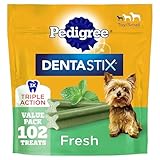
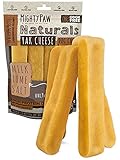
- Choose a vet-appropriate commercial chew for the chewing job.
Risks & exceptions
- Cooked bones can splinter sharply.
- Fragments may choke, obstruct, or injure the digestive tract.
- Raw-bone feeding is a separate risk-managed conversation with a veterinarian.
Cooked bones are trash, not treats. Do not offer them for chewing.
If your dog ate any
A larger portion or the wrong preparation is most likely to cause trouble.
- Gagging
- Drooling
- Constipation or straining
Call your vet / pet poison line if:
- Choking
- Bloody stool
- Repeated vomiting
- Painful or swollen abdomen
Cooked bones can splinter. Contact a veterinarian or emergency clinic if your dog ate bones and shows distress.
Related foods


FAQ
Are cooked beef bones safe for dogs?
No. Larger cooked bones can still crack teeth or splinter.
What if my dog ate a cooked bone?
Call your veterinarian or emergency clinic for individualized guidance; do not induce vomiting unless instructed.
Are raw bones safe?
They have different risks, including bacteria and tooth damage. Discuss any bone plan with your veterinarian.
Affiliate disclosure: we may earn a commission from product links. Safety guidance is editorial and may change — verify with your veterinarian for your dog.