



How much is okay?
Treat chicken feet as an occasional chew, not free-feed entertainment.
Rule of thumb: treats of all kinds should stay under ~10% of daily calories.
How to prepare them
- Use products meant for dogs when possible; supervise the whole time.
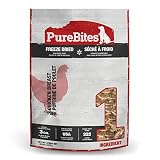
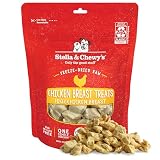
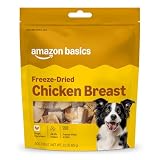
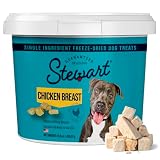
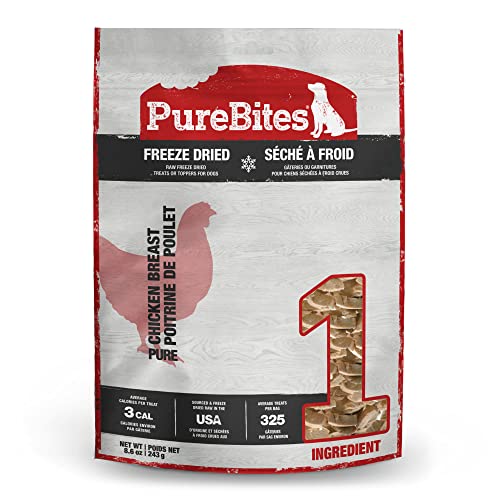
- Many owners prefer raw dehydrated/freeze-dried feet sold as chews — ask your vet what they recommend.
- Don’t offer cooked dinner feet — cooking makes bones more brittle.
- Take it away when it becomes a swallowable stub.
Risks & exceptions
- Choking / fragments — aggressive chewers can break pieces off.
- Bacterial handling — raw chews need careful kitchen hygiene.
- Calories — chews still count toward the daily treat budget.
- Dental mismatch — hard chews aren’t right for every mouth; when in doubt, choose softer treats.
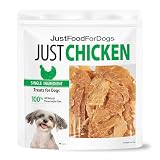
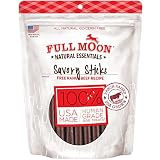
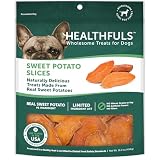
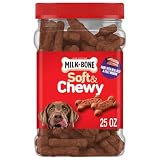
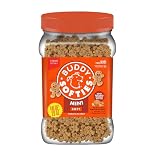
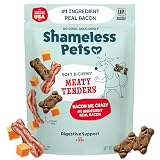
If your dog is a gulper, pick soft treats instead of whole feet.
If your dog ate a lot
Stop the chew and call your vet if you see gagging, distress, or you think a hard piece was swallowed.
- Watch for: gagging, pawing at the mouth, vomiting, lethargy, constipation, abdominal pain
- Call your vet / ER if a large fragment may have been swallowed
This page is general pet-safety information, not a veterinary diagnosis. When in doubt, contact your vet or ASPCA Animal Poison Control.
Related foods


FAQ
Are chicken feet good for dental health?
They can help some dogs via chewing time, but they’re not a guaranteed dental treatment — ask your vet.
Raw vs cooked chicken feet?
Cooked table feet are a bad idea (brittle bones). Follow vet guidance for raw/dehydrated chew products.
Can puppies eat chicken feet?
Often better to wait and use age-appropriate chews/treats.
How often can dogs have chicken feet?
Occasional — not daily entertainment.
Affiliate disclosure: we may earn a commission from product links. Safety guidance is editorial and may change — verify with your veterinarian for your dog.