





How much is okay?
There is no safe serving size for cooked chicken bones.
Rule of thumb: treats of all kinds should stay under ~10% of daily calories.
How to prepare them
- Do not give cooked chicken bones from plates, rotisserie carcasses, or wings.
- If using any raw bone under veterinary guidance, that is a separate, supervised protocol—not leftover dinner bones.
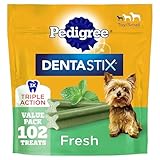
- Offer vet-approved chews instead of kitchen bones.
Risks & exceptions
- Splintering can injure the mouth, esophagus, or intestines.
- Bone fragments can cause choking or blockage.
Treat cooked chicken bones as trash, not treats. The splinter risk is the headline.
If your dog ate any
If they ate chicken bones, watch closely and call a vet with any distress.
- Gagging
- Drooling
- Constipation straining
Call your vet / pet poison line if:
- Choking
- Bloody stool
- Repeated vomiting
- Severe lethargy or a swollen abdomen
Cooked chicken bones can splinter. Contact a veterinarian or emergency clinic if your dog ate bones and shows distress.
Related foods


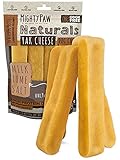
Yeti Dog Chew Yeti Himalayan Yak Cheese Dog Chew, Long-Lasting,…

FAQ
Are raw chicken bones safer?
Raw bones still carry risks and bacteria concerns. Do not improvise; ask your veterinarian before any bone chew plan.
What if my dog ate a wing bone?
Call your vet or an emergency clinic for advice based on size, amount, and symptoms. Do not wait if they are in distress.
What should I use instead of bones?
Use dog chews and treats designed for chewing—never cooked poultry bones.
Affiliate disclosure: we may earn a commission from product links. Safety guidance is editorial and may change — verify with your veterinarian for your dog.