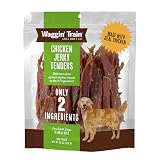
How much is okay?
Offer a few pieces of unseasoned inner meat, not the carcass.
Rule of thumb: treats of all kinds should stay under ~10% of daily calories.
How to prepare them
- Peel away skin and any dark herb rub.
- Serve only inner white meat that looks unseasoned.
- Discard bones; do not let dogs clean the carcass.
Risks & exceptions
- Rub and drippings often include garlic, onion, and heavy salt.
- Cooked bones splinter.
- Skin is fatty and encourages begging for the whole bird.
Rotisserie chicken is only okay as plain inner meat scraps — not skin, bones, or seasoned crust.
If they ate too many
A larger portion or the wrong preparation is most likely to cause trouble.
- Thirst
- Soft stool
Call your vet / pet poison line if:
- Bone chewing
- Known garlic rub ingestion
- Vomiting after fatty skin
Related foods
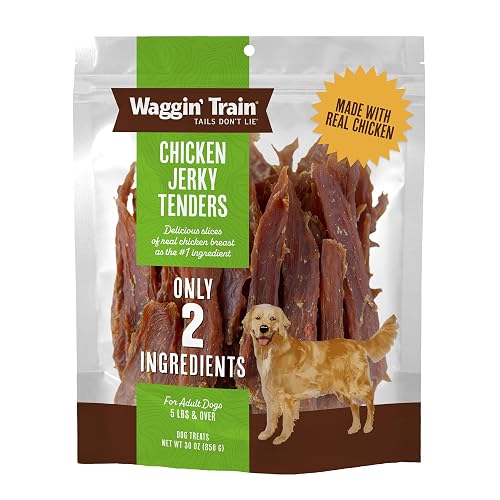
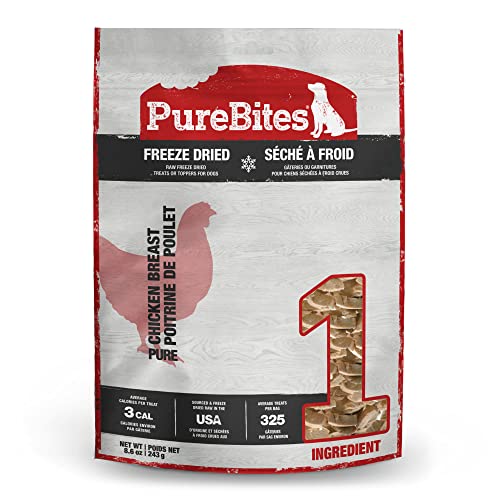
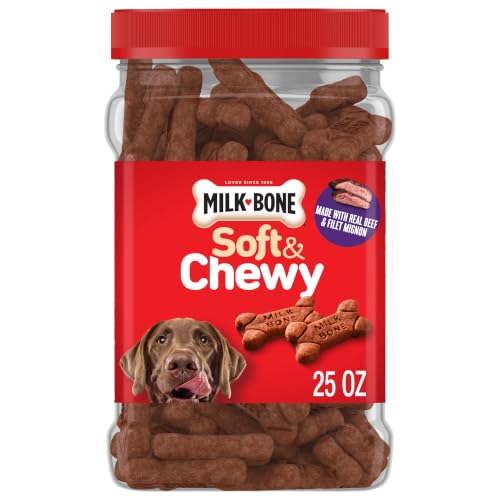
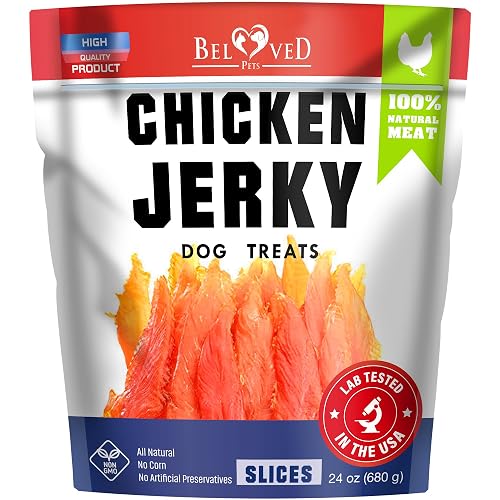
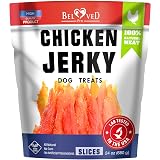
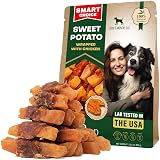
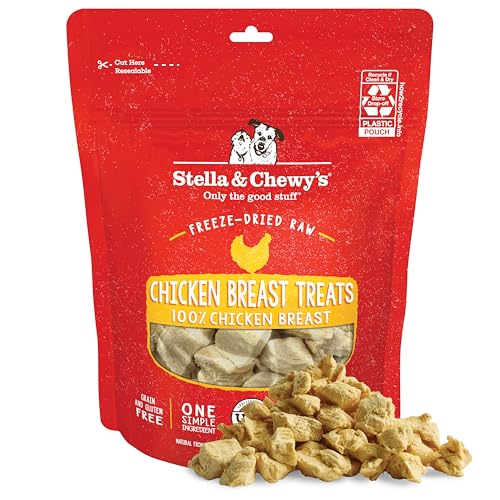
Beloved Pets Beloved Pets Dog Treats Chicken Jerky (1.5 lb)
FAQ
Can dogs eat the chicken juice in the tray?
No — drippings are salty and often seasoned.
Is grocery rotisserie safer than restaurant?
Both need the same rules: plain meat only.
What about cold leftovers next day?
Still remove skin/bones and check for seasoning before sharing a little.
Affiliate disclosure: we may earn a commission from product links. Safety guidance is editorial and may change — verify with your veterinarian for your dog.