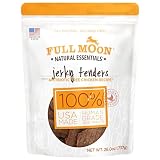
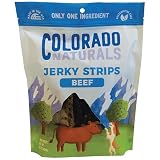
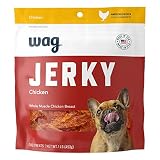
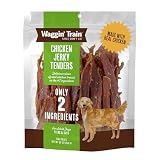
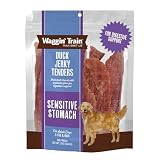
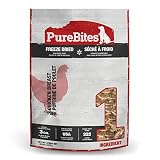
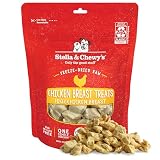
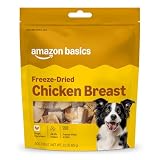
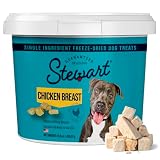
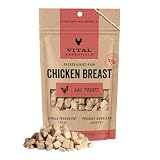
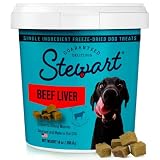
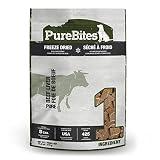
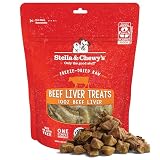
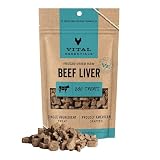
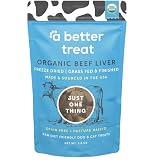
How much is okay?
If it’s true dog jerky with a short ingredient list, treat it like any rich meat chew — tiny pieces.
Rule of thumb: treats of all kinds should stay under ~10% of daily calories.
How to prepare them
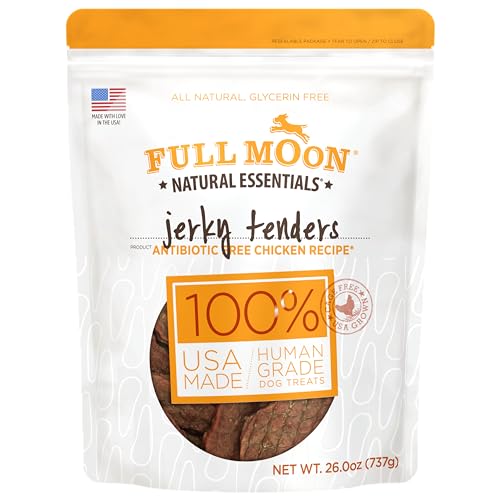
- Prefer products labeled for dogs with simple ingredients (meat ± one binder).
- Break into tiny training pieces — jerky is easy to overfeed.
- Skip any jerky with xylitol, onion, garlic, heavy spice, or sugar glaze.
- Don’t share trail-mix jerky or “teriyaki” styles.
Risks & exceptions
- Sodium — human jerky is preserved to be salty; that can upset dogs quickly.
- Seasonings — onion/garlic powders are common and unsafe.
- Fat & calories — rich jerky adds up fast and can trigger GI upset.
- Choking / gulping — long strips can be a hazard for aggressive chewers.
“Natural” on a human jerky bag does not mean dog-safe. Read the full ingredient list.
If your dog ate a lot
A stolen nibble may only mean thirst or soft stool. Larger amounts of salty/seasoned jerky are more concerning.
- Mild: excessive thirst, soft stool, temporary vomiting
- Call your vet if: repeated vomiting, lethargy, or known exposure to onion/garlic/xylitol
This page is general pet-safety information, not a veterinary diagnosis. When in doubt, contact your vet or ASPCA Animal Poison Control.
Related foods
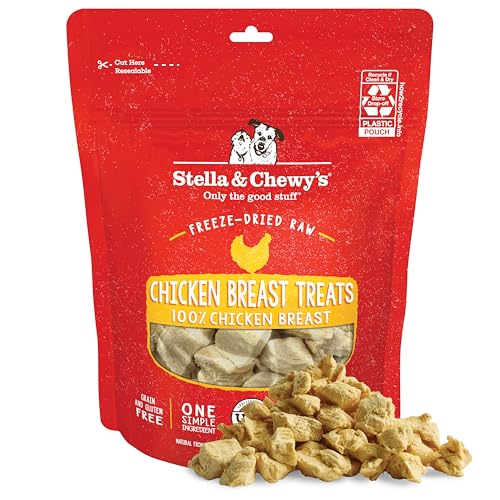
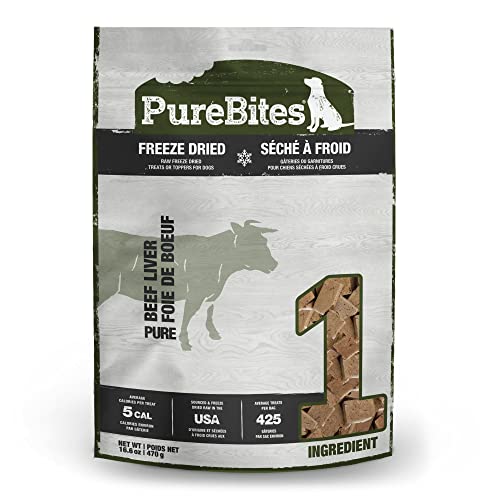
FAQ
Is dog beef jerky okay?
Often yes if ingredients are simple and you keep portions tiny. Still watch salt and fat.
Can puppies eat beef jerky?
Prefer softer training treats made for puppies. Jerky is easy to overdo and hard to chew safely.
What about homemade jerky?
Only if you control the recipe — no onion/garlic/salt bombs — and you dry it safely.
Is turkey jerky safer?
Same rules: dog-specific and plain beats human flavored jerky.
Affiliate disclosure: we may earn a commission from product links. Safety guidance is editorial and may change — verify with your veterinarian for your dog.