

How much is okay?
A thin smear on a lick mat or toy is plenty.
Rule of thumb: treats of all kinds should stay under ~10% of daily calories.
How to prepare them
- Read the label — no xylitol (also listed as birch sugar).
- Choose unsalted, unsweetened almond butter when possible.
- Never give whole almonds as a crunchy side.
Risks & exceptions
- Xylitol is toxic.
- High fat can upset stomachs.
- Whole almonds are a choke risk.
Almond butter is a tiny xylitol-free smear, not a free-pour treat.
If they ate too many
A larger portion or the wrong preparation is most likely to cause trouble.
- Soft stool
Call your vet / pet poison line if:
- Xylitol exposure — emergency
- Repeated vomiting after a large smear
Related foods

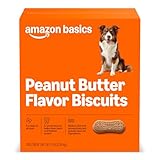
Amazon Basics Crunchy Dog Biscuits Peanut Butter Flavor


FAQ
Is almond butter safer than peanut butter?
Only if xylitol-free — peanut butter is still the more common dog-friendly choice.
Can dogs eat almonds?
Whole almonds are a poor idea; a tiny butter smear is the only reasonable format.
What about almond flour baked goods?
Skip desserts with sugar, chocolate, or xylitol.
Affiliate disclosure: we may earn a commission from product links. Safety guidance is editorial and may change — verify with your veterinarian for your dog.