






How much is okay?
If your cat gets a taste, make it a tiny piece of plain cooked ham—not deli meat, glazed ham, or a routine treat.
Rule of thumb: treats of all kinds should stay under ~10% of daily calories.
How to prepare them
- Skip deli slices, smoked ham, honey ham, ham bone, and glazed leftovers.
- If offering any, use a tiny piece of plain cooked ham with visible fat trimmed away.
- Keep sauces, mustard, cloves, garlic, onion, and seasoning off limits.
- Do not let cats chew a ham bone.
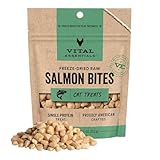
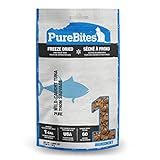
- Use a cat treat for regular rewards.
Risks & exceptions
- High sodium makes cured ham a poor everyday food for cats.
- Fatty pieces can cause vomiting, diarrhea, or unwanted calories.
- Glazes and holiday recipes can contain onion, garlic, sugar, or spices.
- Bones can splinter or cause choking and intestinal obstruction.
Ham is not a regular cat treat. Skip cured, glazed, seasoned, and bone-in ham; a tiny plain cooked taste is the most that should be considered.
If they ate too many
A small plain taste may cause no problem, but rich or seasoned ham can lead to digestive upset.
- Thirst after a salty bite
- Vomiting
- Soft stool or diarrhea
- Reduced interest in regular food
Call your vet / pet poison line if:
- Ham containing onion or garlic
- Repeated vomiting
- A swallowed bone fragment
- Marked weakness, collapse, or trouble breathing
Related foods



FAQ
Can cats eat deli ham?
It is best skipped. Deli ham is commonly salty and may contain flavorings or preservatives that do not belong in a cat's snack.
Can cats eat ham bones?
No. Cooked bones can splinter and create choking or blockage hazards.
Can cats eat Christmas ham?
No. Holiday ham is often glazed, salty, and seasoned with ingredients such as onion or garlic.
Is plain ham good for cats?
It provides animal protein, but a cat-formulated or single-ingredient meat treat is a much better regular choice.
Affiliate disclosure: we may earn a commission from product links. Safety guidance is editorial and may change — verify with your veterinarian for your cat.