





How much is okay?
It is best not to offer peanuts. If a cat has a plain unsalted peanut, keep it to a very small, crushed amount and watch for problems.
Rule of thumb: treats of all kinds should stay under ~10% of daily calories.
How to prepare them
- Avoid offering peanuts as a cat snack.
- If an accidental taste is unavoidable, use only plain, unsalted, uncoated peanut in a crushed fragment.
- Never offer chocolate-covered, candy-coated, spicy, salted, or honey-roasted peanuts.
- Keep products with xylitol or birch sugar away from cats.
- Store mixed nuts and trail mix securely.
Risks & exceptions
- High fat can trigger digestive upset and unwanted calories.
- Whole peanuts can be a choking hazard.
- Chocolate coatings and sweetened products add toxic or unsafe ingredients.
- Flavored nuts can contain salt, garlic, onion, or spicy seasonings.
Skip peanuts when possible. Never feed chocolate-coated, xylitol-containing, salted, or whole peanuts.
If they ate too many
A small plain fragment may cause no issue, but rich, coated, or swallowed whole peanuts need more attention.
- Vomiting
- Soft stool
- Reduced appetite
- Lip licking or nausea
Call your vet / pet poison line if:
- Possible chocolate or xylitol exposure
- Choking or persistent coughing
- Facial swelling or trouble breathing
- Repeated vomiting or severe lethargy
Related foods


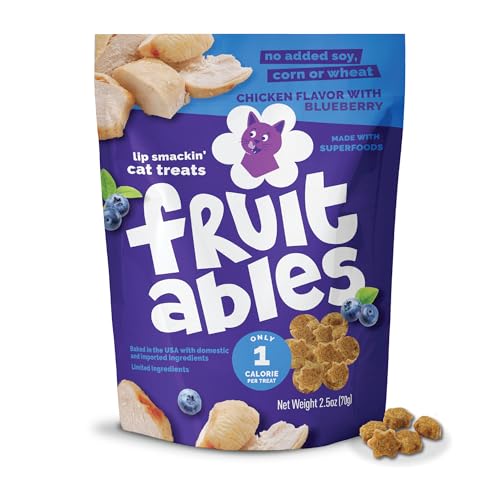
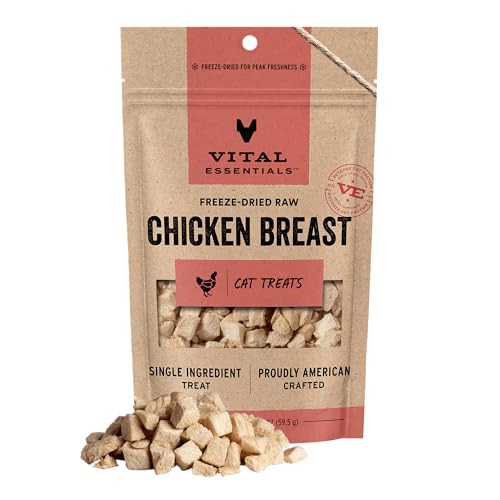
FAQ
Can cats eat salted peanuts?
No. Salted peanuts add unnecessary sodium and should be skipped.
Can cats eat peanut shells?
No. Shells are tough, hard to digest, and can create a choking or obstruction concern.
Can cats eat peanut butter?
A tiny amount of plain xylitol-free peanut butter may be tolerated, but it is still fatty and best kept rare.
Are peanuts good protein for cats?
No. Cats benefit more from animal-based protein in a complete diet or cat-specific treat.
Affiliate disclosure: we may earn a commission from product links. Safety guidance is editorial and may change — verify with your veterinarian for your cat.