








How much is okay?
Start with a small spoonful of plain cooked flesh and count it as an extra, not a replacement for balanced dog food.
Rule of thumb: treats of all kinds should stay under ~10% of daily calories.
How to prepare them
- Bake, steam, or boil sweet potato until soft and fully cooked.
- Serve plain flesh without butter, salt, sugar, or seasoning.
- Cut into small cubes or mash it for easier chewing.
- Skip raw chunks and tough, fibrous skins if your dog has a sensitive stomach.
- Never share casserole, candied yams, pie, or marshmallow toppings.
Risks & exceptions
- Raw sweet potato can be hard to digest and may create a choking risk in chunks.
- Large portions can cause gas, loose stool, or unwanted calories.
- Sugary casseroles and pies can contain butter, spices, and sweeteners.
- A diet overloaded with extras can displace complete dog food.
Plain cooked sweet potato is the only version to share. Skip raw pieces and sweet potato casseroles, pies, or candied yams.
If they ate too many
A modest serving is usually well tolerated. Digestive changes suggest the portion was too large or the recipe was too rich.
- Gas
- Soft stool
- Constipation
- One episode of vomiting
Call your vet / pet poison line if:
- Repeated vomiting or diarrhea
- Choking or persistent coughing
- A dish containing xylitol, raisins, or chocolate
- Painful, bloated abdomen
Related foods

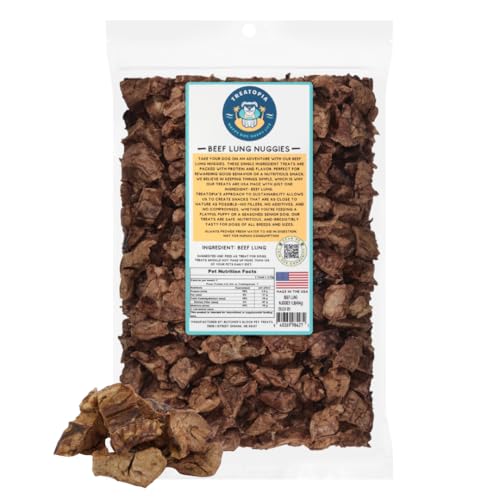

BRUTUS & BARNABY Sweet Potato Slices (14 oz)

FAQ
Can dogs eat raw sweet potato?
It is best not to. Raw pieces are harder to digest and can be difficult to chew safely.
Can dogs eat sweet potato skin?
A little cooked skin may be tolerated, but the plain cooked flesh is easier for many dogs to digest.
Can dogs eat sweet potato casserole?
No. Casseroles often contain butter, sugar, marshmallows, spices, or other additions.
Is sweet potato good for dogs every day?
Keep it occasional unless your veterinarian has given a specific dietary plan.
Affiliate disclosure: we may earn a commission from product links. Safety guidance is editorial and may change — verify with your veterinarian for your dog.