



How much is okay?
Rinse cooked noodles and serve plain—broth and sauce stay out of the bowl.
Rule of thumb: treats of all kinds should stay under ~10% of daily calories.
How to prepare them
- Cook noodles in water only; discard ramen flavor packets.
- Rinse to remove surface starch and any clinging oil.
- Skip soy sauce, miso, and chili oil toppers.
Risks & exceptions
- Instant ramen broth is very high in sodium.
- Garlic and onion common in noodle soups are toxic.
- Large portions of carbs can upset stomachs.
Plain rinsed noodles are a small bland topper; ramen bowls are a skip.
If they ate too many
A larger portion or the wrong preparation is most likely to cause trouble.
- Soft stool after a big carb portion
- Increased thirst after salty soup licks
Call your vet / pet poison line if:
- Vomiting after garlicky noodle soup
- Bloat signs after a large pasta-like meal
Related foods
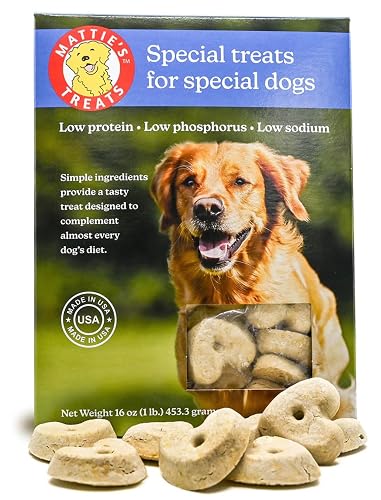


Mattie's Treats Mattie's Treats Dog Treats (10 oz)

FAQ
Can dogs eat ramen noodles without the packet?
Plain cooked noodles only in small amounts—never the seasoned broth.
How is this different from pasta?
Pasta covers Italian-style noodles; this page focuses on ramen, rice noodles, and soup-carton sodium traps.
Can dogs eat udon?
Plain drained udon follows the same small plain portion rules.
Affiliate disclosure: we may earn a commission from product links. Safety guidance is editorial and may change — verify with your veterinarian for your dog.