




How much is okay?
Scrape the bowl—do not let dogs finish kid plates.
Rule of thumb: treats of all kinds should stay under ~10% of daily calories.
How to prepare them
- Keep leftover baking dishes out of reach.
- Skip neon cheese powders and bacon-topped versions.
- If pasta is plain, see our pasta page—cheese sauce still makes mac a skip.
Risks & exceptions
- High fat dairy triggers pancreatitis in some dogs.
- Large pasta portions bloat small stomachs.
- Seasonings may hide onion or garlic powder.
Mac and cheese is comfort food for humans, not a dog reward.
If they ate too many
A larger portion or the wrong preparation is most likely to cause trouble.
- Soft stool
- Gas
- Increased thirst
Call your vet / pet poison line if:
- Repeated vomiting after rich pasta
- Hunched belly with whining
Related foods
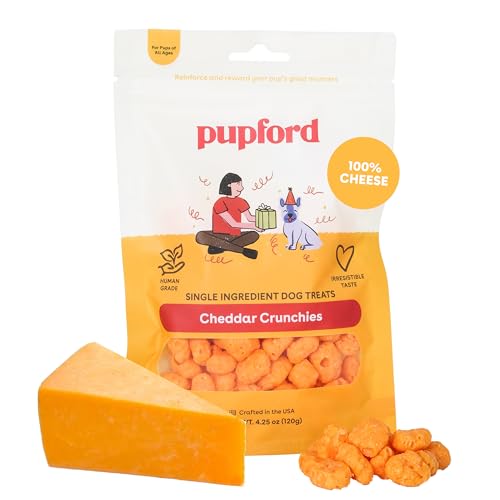
Pupford Cheese Crunchies, 1 Ingredient Dog & Puppy Treat…


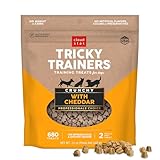
Cloud Star Tricky Trainers Crunchy Dog Training Treats (12 oz)

FAQ
Can dogs eat plain macaroni without cheese?
Plain cooked pasta is limited—see our pasta page.
Is homemade mac safer?
Still rich unless truly plain pasta with no butter-heavy sauce.
Can dogs eat Kraft mac and cheese?
Skip boxed mixes—salt and dairy load is high.
Affiliate disclosure: we may earn a commission from product links. Safety guidance is editorial and may change — verify with your veterinarian for your dog.