

How much is okay?
If used at all, keep it to a very small smear and watch stool quality.
Rule of thumb: treats of all kinds should stay under ~10% of daily calories.
How to prepare them
- Use only a tiny amount if at all.
- Do not pour oil as a daily free pour.
- Skip flavored or sweetened coconut oils.
Risks & exceptions
- High fat can cause diarrhea or pancreatitis risk in sensitive dogs.
- Calories add up fast.
- Not a substitute for vet-guided skin or coat care.
Coconut oil is a tiny optional fat at most — not a treat poured freely.
If they ate too many
A larger portion or the wrong preparation is most likely to cause trouble.
- Loose stool
- Greasy stool
Call your vet / pet poison line if:
- Repeated vomiting after oil
- Lethargy after a large amount
Related foods

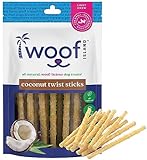
Woof Island Coconut Doggie Chews - Premium, All Natural Cocon…


CocoTherapy Coco-Charms Blueberry Cobbler - Organic

FAQ
Can dogs eat coconut oil every day?
Not automatically — ask your vet before daily fat add-ins.
Can dogs eat coconut oil for skin?
Ask your vet; topical and dietary uses differ.
Is MCT oil the same?
Still a fat — use caution and vet guidance.
Affiliate disclosure: we may earn a commission from product links. Safety guidance is editorial and may change — verify with your veterinarian for your dog.