
How much is okay?
No garnish serving. Keep chive bunches and flavored dips away.
Rule of thumb: treats of all kinds should stay under ~10% of daily calories.
How to prepare them
- Do not share foods topped with chives.
- Watch sour cream & chive dips and compound butters.
- Garden chives should be blocked like other alliums.
Risks & exceptions
- Alliums can cause oxidative damage to red blood cells.
- Signs may lag hours to days after ingestion.
- Dried chive seasoning still counts.
Chives are in the onion family — not a harmless green garnish for dogs.
If your dog ate any
A larger portion or the wrong preparation is most likely to cause trouble.
- Drooling
- Vomiting
- Lethargy
Call your vet / pet poison line if:
- Pale gums
- Dark urine
- Known chive or onion-family ingestion
Chives are alliums and can cause red blood cell damage in dogs. Contact your veterinarian if your dog ate chives.
Related foods
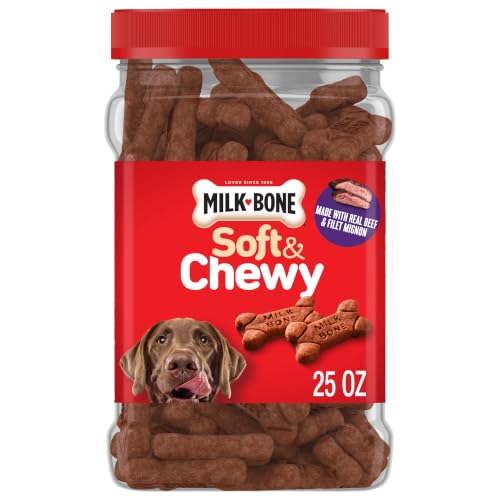
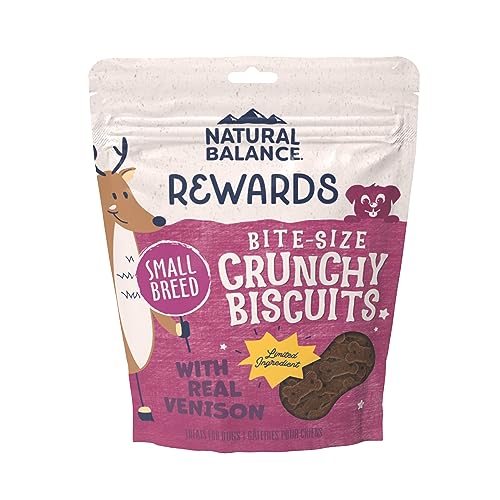
Natural Balance Limited Ingredient Rewards Crunchy Biscuits, Bite…
FAQ
Are chives milder than onions?
Do not rely on that — treat chives as toxic alliums.
What about garlic chives?
Still an allium risk — skip them.
My dog licked chive butter — what now?
Call your vet with an amount estimate; do not induce vomiting unless instructed.
Affiliate disclosure: we may earn a commission from product links. Safety guidance is editorial and may change — verify with your veterinarian for your dog.