






How much is okay?
Use broth as a light meal topper, not a soup bowl.
Rule of thumb: treats of all kinds should stay under ~10% of daily calories.
How to prepare them
- Simmer plain chicken in water only; strain fat if needed.
- Read labels—avoid onion, garlic, yeast extract, and high sodium.
- Skip bone broth with unknown seasonings unless vet-approved.
Risks & exceptions
- Onion or garlic in broth is toxic, not just flavorful.
- Sodium loads from cubes and cartons stress kidneys.
- Hot broth can burn mouths—cool before serving.
Plain low-sodium broth is a small topper; seasoned soup bases are a skip.
If they ate too many
A larger portion or the wrong preparation is most likely to cause trouble.
- Soft stool if too much fat floats on top
- Increased thirst after salty store broth
Call your vet / pet poison line if:
- Vomiting after garlicky broth
- Weakness days after onion-heavy soup share
Related foods



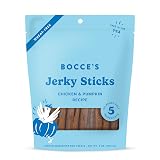
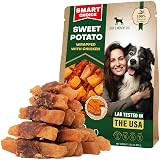
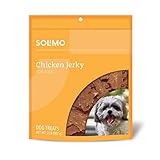
Beloved Pets Beloved Pets Dog Treats Chicken Jerky (1.5 lb)
FAQ
Can dogs eat bone broth?
Only if you confirm no onion, garlic, or excessive salt.
Are broth cubes okay?
Most are far too salty—plain homemade is safer.
Can puppies have chicken broth?
Tiny plain amounts may help picky eaters if your vet agrees.
Affiliate disclosure: we may earn a commission from product links. Safety guidance is editorial and may change — verify with your veterinarian for your dog.