How much is okay?
No safe sip. Prevent access instead of portioning.
Rule of thumb: treats of all kinds should stay under ~10% of daily calories.
How to prepare them
- Clear cups, cans, and wine glasses before dogs roam a party.
- Do not share beer foam, wine, or cocktail ice.
- Skip desserts flambéed or soaked in liquor.
Risks & exceptions
- Ethanol causes drunkenness, vomiting, and dangerous hypoglycemia.
- Rising blood alcohol can depress breathing and heart rate.
- Hops in some homebrew waste can be an extra risk for some dogs.
Alcohol is never a dog drink — not even a taste from your glass.
If your dog ate any
A larger portion or the wrong preparation is most likely to cause trouble.
- Wobbliness
- Drooling
- Vomiting
Call your vet / pet poison line if:
- Collapse
- Slow or difficult breathing
- Known cocktail or beer ingestion
Alcohol can cause severe intoxication and hypoglycemia in dogs. Seek veterinary care if your dog drank any.
Related foods
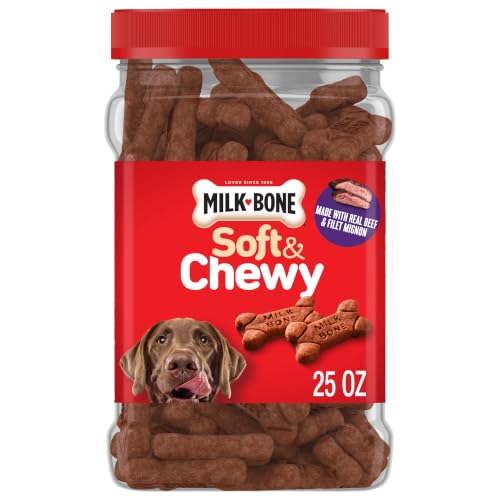
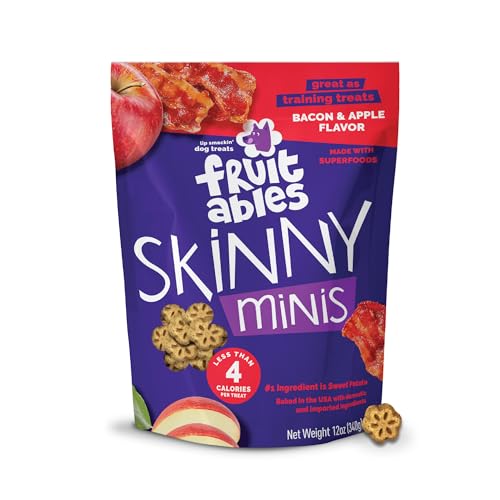
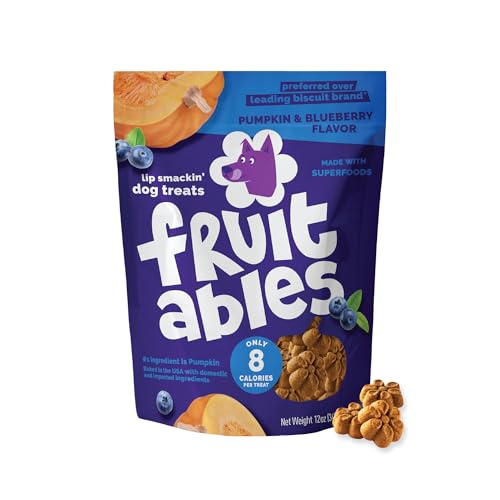
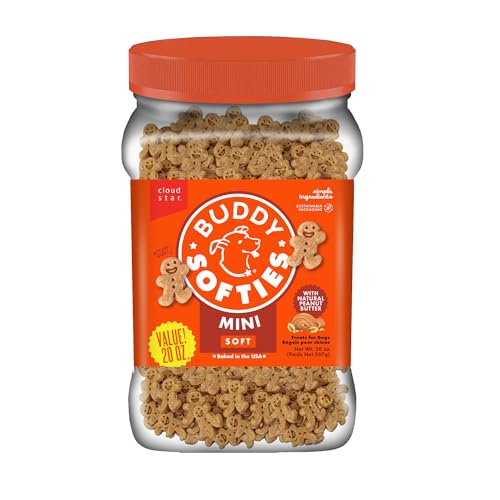
FAQ
Can dogs have non-alcoholic beer?
Still skip it — many still contain hops or alcohol traces and add no benefit.
Is wine sauce on leftovers okay?
No. Cooking does not reliably make alcohol safe to share.
What about kombucha?
Treat fermented drinks as off-limits unless your vet specifically approves a product.
Affiliate disclosure: we may earn a commission from product links. Safety guidance is editorial and may change — verify with your veterinarian for your dog.