7 Chicken Feet Dog Treats
Updated Jul 28, 2026
Chicken feet treats are anatomy chews: cartilage, nails removed (or not), and real chew time. This is not our freeze-dried chicken training guide—expect crunch, supervision, and count-based bags. Match chew time to your dog.
Our top picks
Swipe →Compare the best chicken feet dog treats
Side-by-side tradeoffs for this shortlist — texture, job fit, and how clean the bag reads. Same 7 picks; swipe sideways to compare.
| Pick |
#1 of 7

Fang and ClawNail-Free Chicken Feet for Dogs (26.2 oz) |
#2 of 7

Natural FarmNail-Free Chicken Feet Dog Treats (40 Pack), 100% Free-Range Air Dried C (14.0 oz) |
#3 of 7
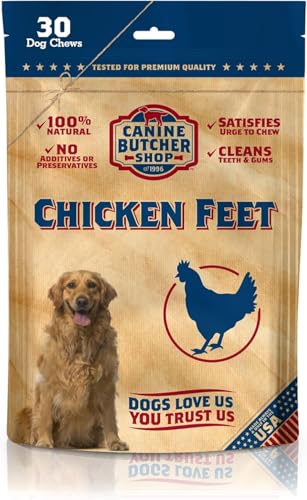
Canine Butcher ShopChicken Feet Dog Treats, Raised & Made in USA (30-Pack), Dehydrated Chic (10.5 oz) |
#4 of 7

Canine Butcher ShopChicken Feet for Dogs, All-Natural Dog Treats (70.0 oz) |
#5 of 7
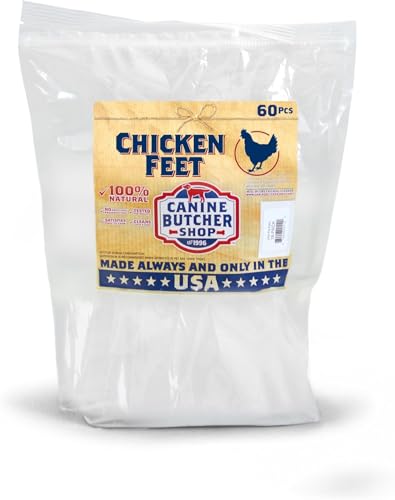
Canine Butcher ShopChicken Feet for Dogs, All-Natural Dog Treats (21.0 oz) |
#6 of 7

Mighty PawNaturals Chicken Feet Dog Treats, Single Ingredient, 30 Pack (10.5 oz) |
#7 of 7

PEPPY DOGAll Natural Chicken Feet Dog Treats (17.5 oz) |
|---|---|---|---|---|---|---|---|
| Best for | Fang and Claw’s 75-count nail-free bulk lane… | Natural Farm free-range air-dried feet in a c… | Canine Butcher Shop USA 30-count classic in a… | Canine Butcher Shop 200-count restock in a ch… | Canine Butcher Shop 60-count everyday in a ch… | Mighty Paw naturals for a mainstream brand fo… | PEPPY DOG 50-count dehydrated feet in a chick… |
| Texture | Dehydrated | Dehydrated | Dehydrated | Dehydrated | Dehydrated | Dehydrated | Dehydrated |
| Job fit | Bulk bag · Topper | Everyday · Training | Topper · Everyday | Bulk bag · Topper | Bulk bag · Topper | Everyday · Training | Bulk bag · Topper |
| Ingredients | Dehydrated chicken feet · Nail-free bulk feet | Dehydrated chicken feet · Natural Farm nail-free 40-pack | Dehydrated chicken feet · USA raised 30-pack feet | Dehydrated chicken feet · 200-count foot bulk | Dehydrated chicken feet · 60-count foot mid bag | Dehydrated chicken feet · Mighty Paw single-ingredient 30-pack | Dehydrated chicken feet · 50-piece dehydrated feet |
| $ / size | $30.79 · 26.2 oz | $28.99 · 14.0 oz | $20.99 · 10.5 oz | $89.99 · 70.0 oz | $34.99 · 21.0 oz | $31.99 · 10.5 oz | $29.99 · 17.5 oz |
| Shop | Buy on AmazonRead review | Buy on AmazonRead review | Buy on AmazonRead review | Buy on AmazonRead review | Buy on AmazonRead review | Buy on AmazonRead review | Buy on AmazonRead review |
Find your dog’s best match 3 questions Answer three quick questions and we’ll point you to the best pick for your dog.
Our picks, explained
How we made this list
We prioritized dehydrated feet with clear single-ingredient or nail-free positioning and compared count packs for multi-dog households.
- Anatomy chew realism. Feet are cartilage-rich chews—supervision and size matching matter more than training snap.
- Useful format spread. Training, everyday, and special-reward lanes stay distinct.
- Portion-aware choices. Treats complement a complete diet; they do not replace meals.
- Label-first decisions. We favor an intelligible ingredient and format story over vague wellness promises.
- Real-world handling. Tearability, crunch, chew time, and bag size matter as much as the headline flavor.
FAQ
Are chicken feet safe for dogs?
Many dogs tolerate them well when sized appropriately—supervise and remove small pieces.
Nail-free vs whole feet?
Nail-free reduces hard nail shards; whole feet need extra supervision.
Is this the same as chicken jerky?
No—feet are connective-tissue chews with different choke and calorie profiles.
How many feet per day?
Treat as occasional chews; follow your vet’s guidance for rich cartilage snacks.
This is general pet guidance, not veterinary advice. Check with your veterinarian before introducing new treats — especially for puppies, dogs with allergies, or any medical diet.
Affiliate disclosure: we may earn a commission from Amazon links. Prices and availability change.