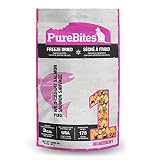
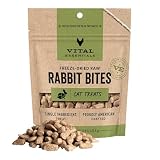
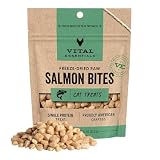
How much is okay?
Offer a small amount of clean pet wheatgrass as a chew outlet—not a vegetable bowl.
Rule of thumb: treats of all kinds should stay under ~10% of daily calories.
How to prepare them
- Grow or buy indoor pet wheatgrass meant for cats.
- Rinse if dusty and keep the tray clean.
- Avoid recently treated lawns, roadside grass, and ornamental plants you cannot identify.
Risks & exceptions
- Pesticides and fertilizers on outdoor grass.
- Toxic lookalike plants outdoors.
- Eating string, ribbons, or plastic with plant toys.
Pet wheatgrass can be a safe chew outlet; treated lawns and unknown plants are not.
If they ate too many
If they ate more than intended, watch for stomach upset and changes in behavior.
- Mild vomiting after a big nibble
- Soft stool
Call your vet / pet poison line if:
- Repeated vomiting
- Known pesticide exposure
- Eating string or non-plant material
Related foods
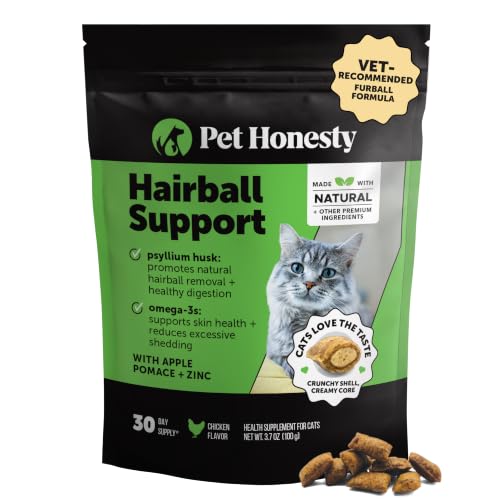
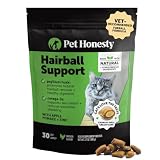
Pet Honesty Cat Hairball Remedy Treats - Dual Texture Crunchy…
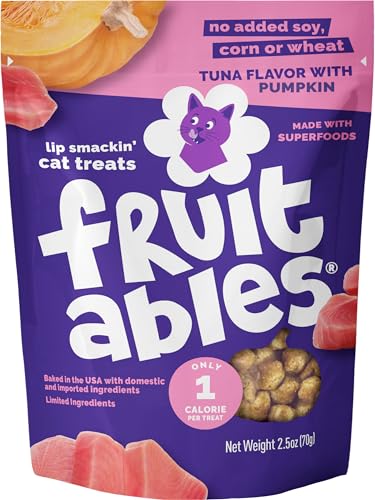

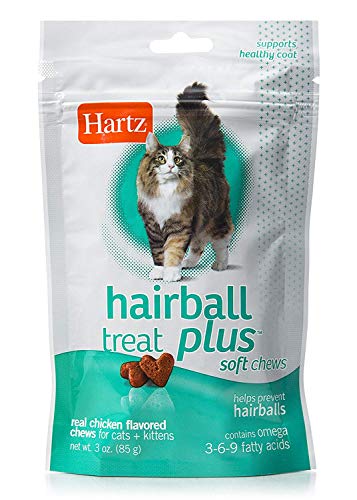
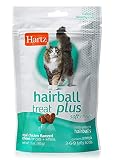
Hartz Hairball Remedy Plus Chicken Flavored Soft Chews
FAQ
Is wheatgrass the same as cat grass?
Pet wheatgrass is one common type of cat grass; oat and barley grass kits are similar options.
Is wheatgrass good for hairballs?
It is not a reliable hairball treatment—ask your vet about hairball care.
Can cats eat outdoor lawn grass?
Only if you are sure it is untreated and non-toxic; pet wheatgrass is safer.
Affiliate disclosure: we may earn a commission from product links. Safety guidance is editorial and may change — verify with your veterinarian for your cat.