

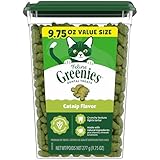




How much is okay?
Do not dose mint. Keep oils and candy out of reach.
Rule of thumb: treats of all kinds should stay under ~10% of daily calories.
How to prepare them
- Skip peppermint oil diffusers near cats.
- Do not offer mint candy or gum (xylitol risk).
- Catnip is the feline herb lane — not kitchen mint.
Risks & exceptions
- Essential oils are concentrated and inappropriate.
- Mint candy may contain xylitol.
- Garden grazing is not a treat plan.
Mint is a kitchen herb; oils and candy are skips.
If they ate too many
If they ate more than intended, watch for stomach upset and changes in behavior.
- Drooling
- Mild vomiting
Call your vet / pet poison line if:
- Essential oil exposure
- Xylitol gum
- Breathing difficulty
Mint gum or candy with xylitol is an emergency. Contact a veterinarian or pet poison hotline if swallowed.
Related foods


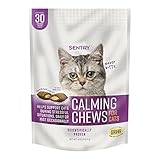
Pet Honesty Cat Calming Treats for Anxiety Relief - Dual Text…


FAQ
Is mint toxic to cats?
Culinary traces are not the same as essential oils — still do not feed mint as a treat.
Can cats eat mint leaves?
Skip as a snack; use catnip treats for herb interest.
Is catnip the same as mint?
Related family vibe, different plant — use catnip products made for cats.
Affiliate disclosure: we may earn a commission from product links. Safety guidance is editorial and may change — verify with your veterinarian for your cat.