



How much is okay?
Use a small amount of fully cooked, boneless plain fish and keep it occasional—not an everyday bowl.
Rule of thumb: treats of all kinds should stay under ~10% of daily calories.
How to prepare them
- Cook fully and check every bite for bones.
- Serve plain—skip breading, batter, salt, smoke, and sauces.
- Prefer variety over daily tuna; formulated fish cat food is different from kitchen leftovers.
Risks & exceptions
- Fish bones can choke or injure the digestive tract.
- Some species carry higher mercury; frequent tuna is a poor habit.
- Raw fish can carry parasites and thiaminase concerns and should not be a casual staple.
Only share plain cooked, boneless fish as an occasional treat or topper—not a complete homemade diet.
If they ate too many
If they ate more than intended, watch for stomach upset and changes in behavior.
- Soft stool
- Mild vomiting
- Thirst after salty fish
Call your vet / pet poison line if:
- Bone swallowed or choking
- Repeated vomiting
- A large raw or seasoned serving
Related foods
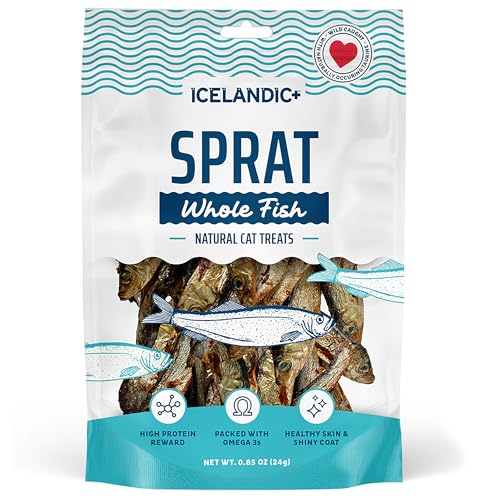

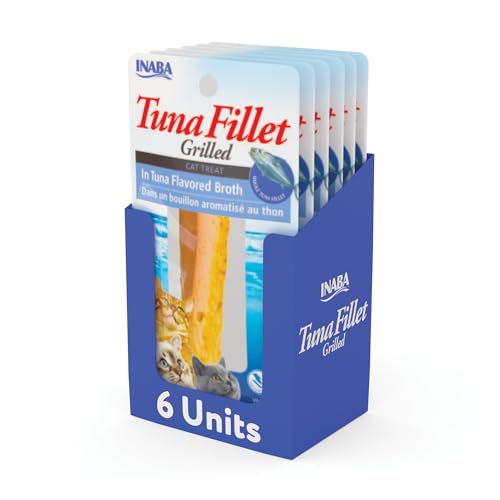
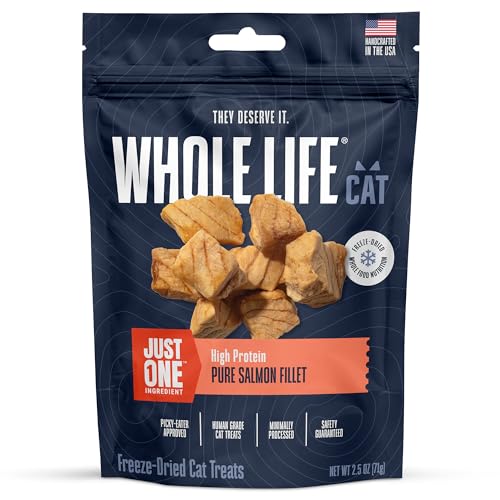
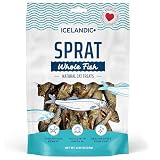
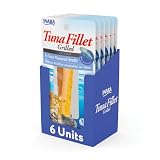
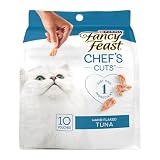
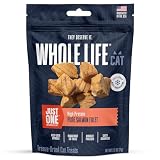
Whole Life Pet Products Whole Life Cat Just One Salmon Freeze Dried

FAQ
Can cats eat fish bones?
No. Bones can choke, splinter, or injure the gut.
Can cats eat raw fish?
Do not use raw fish as a casual treat or staple—see our raw fish page and ask your vet.
Can cats eat tuna every day?
No. Plain tuna as an occasional treat is safer than making it a daily default.
Affiliate disclosure: we may earn a commission from product links. Safety guidance is editorial and may change — verify with your veterinarian for your cat.