8 Best Probiotic Cat Treats
Updated Jul 28, 2026
Probiotic cat treats add live cultures or prebiotic fiber for gut health—a different job than our sensitive stomach cat treats guide, which ranks by ingredient simplicity for cats with active food reactions. This list is built around CFU counts, named probiotic strains, and digestive-support positioning. Use the quiz for a quick match, or read the ranked write-ups.
Our top picks
Swipe →Compare the best probiotic cat treats
Side-by-side tradeoffs for this shortlist — texture, job fit, and how clean the bag reads. Same 8 picks; swipe sideways to compare.
| Pick |
#1 of 8

Rocco & Roxie Supply Co.Rocco & Roxie Cat Probiotics, Digestive & Gut Health Chews (4 oz) |
#2 of 8

Pet NaturalsDaily Probiotic Soft Chews for Cats, Digestive and Immune Support Suppleme (2 oz) |
#3 of 8
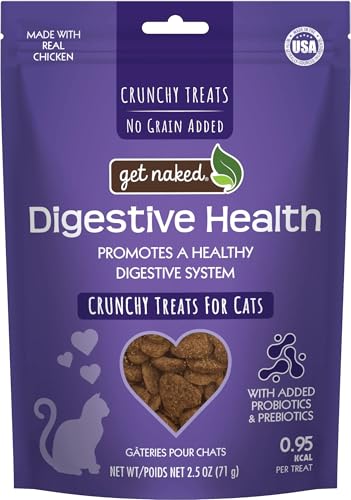
Get NakedDigestive Health Crunchy Cat Treats (2.5 oz) |
#4 of 8

Shameless PetsCrunchy Cat Snacks & Treats – Healthy Cat Treats for Indoor Cats & Kittens (2.5 oz) |
#5 of 8

VETRISCIENCEGut Health Chews, Probiotic Everyday Digestive Supplement for Cats, Pet Pr (3 oz) |
#6 of 8

NaturVetDigestive Enzymes Daily Digestive Support for Cats - 60 Soft Chews (3 oz) |
#7 of 8

LEGITPETProbiotic Cat Treats with Prebiotics – Digestive Support Soft Chews with P (4 oz) |
#8 of 8
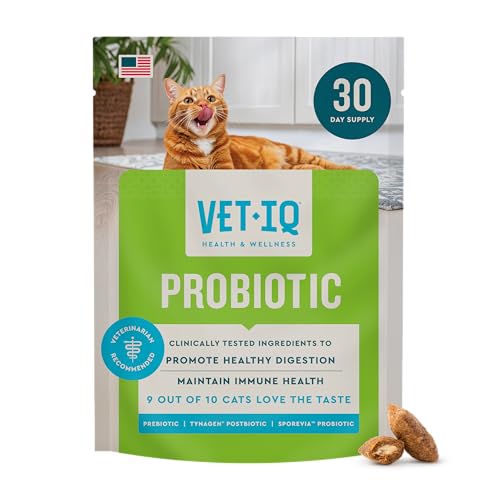
VETIQCat Probiotics, Digestive & Gut Health Treats (3.7 oz) |
|---|---|---|---|---|---|---|---|---|
| Best for | Cats needing rocco & roxie crunchy chicken ch… | Cats needing pet naturals 30-count duck soft… | Cats needing get naked crunchy chicken-flavor… | Cats needing shameless pets low-calorie crunc… | Cats needing vetriscience 60-count duck chews… | Cats needing naturvet 60 soft chews combining… | Cats needing legitpet 100-count chicken-flavo… | Cats needing vetiq chicken-flavored chews wit… |
| Texture | Crunchy | Soft | Crunchy | Crunchy | Chew | Soft | Soft | Chew |
| Job fit | Everyday · Topper | Training · Everyday | Everyday · Topper | Everyday · Topper | Bulk bag · Everyday | Everyday · Topper | Bulk bag · Everyday | Everyday · Topper |
| Ingredients | Rocco & Roxie crunchy chicken chews with MICROBUILD prebiotic and Sporevia probiotic named on the label · Gut-Health Shopping | Pet Naturals 30-count duck soft chews with 100 million CFU per chew · Gut-Health Shopping | Get Naked crunchy chicken-flavored probiotic and prebiotic treat for indoor cats · Gut-Health Shopping | Shameless Pets low-calorie crunchy treat with catnip, real chicken, and digestive support · Gut-Health Shopping | VetriScience 60-count duck chews with 120 million CFU per chew for gas and diarrhea support · Gut-Health Shopping | NaturVet 60 soft chews combining digestive enzymes and probiotics for food transitions · Gut-Health Shopping | LEGITPET 100-count chicken-flavored chews with prebiotics, pumpkin, and papaya · Gut-Health Shopping | VetIQ chicken-flavored chews with organic chicory root, apple fiber, and SPOREVIA probiotic · Gut-Health Shopping |
| $ / size | $14.99 · 4 oz | $7.71 · 2 oz | $6.25 · 2.5 oz | $3.99 · 2.5 oz | $10.00 · 3 oz | $13.97 · 3 oz | $19.99 · 4 oz | $12.99 · 3.7 oz |
| Shop | Buy on AmazonRead review | Buy on AmazonRead review | Buy on AmazonRead review | Buy on AmazonRead review | Buy on AmazonRead review | Buy on AmazonRead review | Buy on AmazonRead review | Buy on AmazonRead review |
Find your cat’s best match 3 questions Answer three quick questions and we’ll point you to the best pick for your cat.
Our picks, explained
How we made this list
Every pick needed a stated probiotic, prebiotic, or digestive-enzyme claim on the label—not just a “healthy digestion” marketing line. We mixed crunchy chicken-flavored chews, high-CFU soft chews, and a larger 100-count bag so the list isn't nine near-identical duck-flavored soft chews.
- Real category fit. Every product had to earn a place among probiotic cat treats.
- Probiotic claim required. A named strain, CFU count, or digestive-enzyme blend counted for more than a vague “gut health” label.
- Useful size choices. Trial pouches and restock bags answer different households.
- CFU and strain transparency. We favored labels that named a specific probiotic strain or CFU count over vague “supports digestion” marketing.
- Ask first. Probiotic chews support a routine; they do not replace veterinary care for ongoing digestive issues.
FAQ
What makes a good probiotic cat treats pick?
Look for a named probiotic strain or CFU count on the label, not just a “supports digestion” claim, and match the flavor to what your cat already accepts. Start with the top pick for a daily digestive-support rotation.
How is this different from sensitive stomach cat treats?
Sensitive stomach cat treats ranks by short, simple ingredient decks for cats with active food reactions. This guide is built around probiotic and prebiotic claims specifically—CFU counts and named strains—for general gut-health support.
How long before probiotic treats show a difference?
Most brands suggest a few weeks of daily use to notice a change in stool quality or digestion. Ask your vet if symptoms persist or worsen.
When should I ask a veterinarian?
Ask before adding any new snack on a prescription or medical diet, and promptly for vomiting, diarrhea, or appetite changes after a new treat.
This is general pet guidance, not veterinary advice. Check with your veterinarian before introducing new treats — especially for kittens, cats with allergies, or any medical diet.
Affiliate disclosure: we may earn a commission from Amazon links. Prices and availability change.